

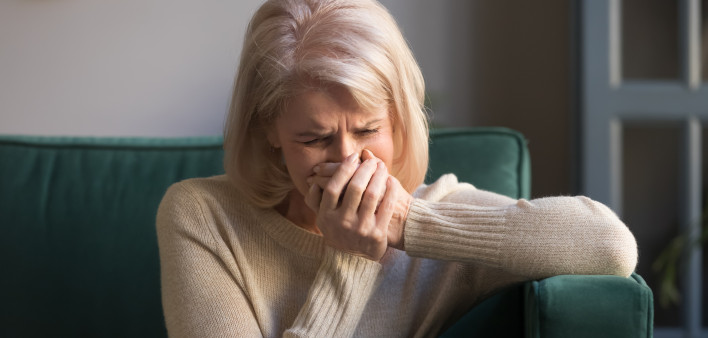
A huge international study has debunked the long-held belief that psychological factors, like stress and grief, contribute to the development of cancer. Published in the journal Cancer, the study found no evidence that psychological factors increased one’s overall risk for cancer.
“Our findings suggest that the support for an association between psychosocial factors and cancer incidence is weak at best,” wrote the study’s authors.
Over the years, studies seeking to establish a connection between stress and cancer risk have been inconclusive. One 2016 study found that stress levels and adverse life events were not associated with breast cancer development in women, while a study from 2013 found that work stress did not increase colorectal, lung, breast or prostate cancer risk. On the other hand, a 2019 observational study found an association between work stress and lung, colorectal and esophageal cancers. And a study from 2008 found that stress led to a higher incidence of lung cancer. However, the National Cancer Institutehypothesized that the link between stress and cancer risk could be more indirect than these studies suggested.
One of the strengths of the most recent study, funded by the Dutch Cancer Society, is its sample size. Researchers followed over 421,799 people in the Netherlands, United Kingdom, Norway and Canada for 15 years, measuring depression, anxiety, social support, recent loss, general distress, neuroticism and relationship status. Their analyses included people diagnosed with breast, lung, prostate, colorectal and smoking- and alcohol-related cancers.
Overall, the study found that perceived social support, recent loss of an immediate family member, relationship status, neuroticism and general distress were not associated with an increased risk for overall cancer. There was, however, a small association between such factors and an increased risk for lung cancer. But when researchers adjusted for known risk factors, like family history of cancer or tobacco smoking, this effect was diminished.
The overarching patterns that emerged in the research do not support that psychosocial factors are linked to increased cancer risk, which should provide some solace for people with cancer.
“Our findings may provide reassurance to patients who experience guilt and self-blame as a result of attributing a cancer diagnosis to psychosocial factors, such as general distress or a loss event,” wrote the study’s authors.
For more information on stress and cancer, click #stress and read:
- “Stress-Induced Immune Changes May Help Cancer Spread,”
- “Qigong Helps Cancer Survivors Reduce Fatigue and Stress,”
- “Mindfulness Medication Helps Cancer Survivors Cope with Stress” and
- “Managing Stress.”



Comments
Comments