

Middle-aged women drink more heavily than women in other age groups, but they are less aware that alcohol use increases breast cancer risk, according to a new study from the University of Houston. The findings were presented at the 49th Annual Scientific Meeting of the Research Society on Alcohol held in San Antonio this week.
“Research consistently shows that breast cancer risk increases as alcohol consumption increases, meaning there does not appear to be a completely ‘safe’ level of alcohol use when it comes to cancer risk,” said University of Houston research assistant professor Dipali V. Rinker, PhD, who presented the findings.
In 2025, the United States Surgeon General’s Advisory on alcohol and cancer warned that alcohol consumption increases the risk for at least seven cancers, including mouth, throat, esophageal, laryngeal (voice box), liver, colorectal and breast cancer. The link between alcohol consumption and cancer risk is dose-dependent.
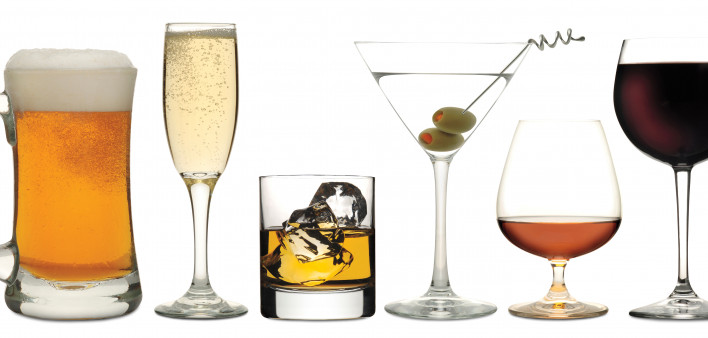
“’Dose-dependent’ means that the more alcohol a person drinks over time, the greater the risk becomes,” said Rinker. “A ‘dose’ is typically defined as a standard drink—for example, a 5-ounce glass of wine, 12-ounce beer or 1.5-ounce shot of liquor.”
In the United States, alcohol contributes to nearly 100,000 cancer cases and about 20,000 cancer deaths each year, according to the advisory. The effects of alcohol consumption and cancer risk are more pronounced in women, and alcohol-related cancer cases were most commonly breast cancer, with drinking contributing to an estimated 44,180 cases, or 16.4% of the 270,000 total breast cancer cases in women in 2019.
“Alcohol has also become more normalized and heavily marketed toward women, particularly through ‘wine culture’ messaging that frames drinking as a way to cope with stress or practice self-care,” said Rinker. “At the same time, many women do not realize that alcohol increases breast cancer risk, so they may not view drinking as a significant health concern compared to smoking or other behaviors.”
To prevent cancer, it is best not to drink alcohol, according to the American Cancer Society Guideline for Diet and Physical Activity for Cancer Prevention. Women who choose to drink alcohol should have no more than one drink a day; men should have no more than two drinks a day.
Using a national online sample of 2,200 adult women, University of Houston researchers examined the association between age, demographic, alcohol use, mental health symptoms and knowledge of the link between drinking and breast cancer risk.
The study found that middle-aged women had the highest risk for breast cancer due to alcohol consumption and the lowest awareness.
“Our findings suggest that prevention efforts may also need to address perceived personal risk and tailor messaging in nonjudgmental ways that resonate with women across different stages of life. Messaging should also acknowledge the social and emotional reasons people drink, including stress and the caregiving burden, while providing clear information about risk. Tailored communication that reflects women’s lived experiences may be especially important for middle-aged women.”
To learn more about misconceptions about alcohol and cancer risk, visit #alcohol, where you can read stories like:
- “Americans Have Widespread Misbeliefs About the Cancer Risks of Alcohol,”
- “Alcohol Related Cancer Deaths Nearly Doubled Since 1990” and
- “4 in 10 Cancer Cases Could be Prevented Globally.”




Comments
Comments