

As Ben Franklin once famously said, “An ounce of prevention is worth a pound of cure,” and that adage applies to cancer.
February is Cancer Prevention Month, which is the perfect time to reflect on the best ways to try and avoid a cancer diagnosis.
Fred Hutch offers routine screenings as well as personalized prevention plans. We also have dozens of prevention experts including medical geneticists, genetic counselors and experts in smoking cessation, exercise, nutrition and more. Read on for their advice.
Lung cancer
What increases your risk of developing lung cancer?
Current smoking or exposure to second-hand smoke or a past habit of heavy smoking are the highest risk factors for this cancer. About 80% of lung cancers are attributable to smoke inhalation. But exposure to certain substances such as asbestos and radon, as well as a family history of lung cancer or specific genetic mutations also increase your risk.
How can you reduce your risk?
If you smoke, the best step to take is to quit. Fred Hutch has several options and resources; there’s even a free app. Check them all out here. Other options include free quitting resources, the National Cancer Institute’s 1-800-QUIT-NOW hotline, and even medications such as nicotine replacement.
Other measures to reduce your lung cancer risk include avoiding exposure to air pollution, wildfire smoke and certain chemicals known to cause lung cancer. Eating a healthy diet and knowing your family health history are also important. Inherited mutations can increase the risk of developing lung cancer; if you have a family history of lung cancer, you can request genetic testing. Learn more here.
What screening should you do?
If you have factors that put you at higher risk for lung cancer, consider getting an annual low-dose CT (LDCT) scan. These scans can help find abnormal areas in the lungs that may be cancer even before you develop symptoms. Earlier detection usually means better treatment outcomes. Keep in mind that abnormal findings may not be lung cancer; scans highlight all kinds of anomalies that occur within our bodies, many of which are harmless.
How do you make an appointment?
If you have had an abnormal lung scan or finding such as a lung nodule, call Fred Hutch’s Lung Cancer Early Detection and Prevention Clinic at 206.606.6125. You can also be referred by your physician. If you are at higher risk but have not been screened, make an appointment or ask your primary care physician about screening.
If you’ve been diagnosed with lung cancer:
Fred Hutch has the largest, most experienced lung cancer program of its kind in the Pacific Northwest; we are also home to a lung cancer Specialized Program of Research Excellence or SPORE.
Some lung cancers can be treated with proton therapy, only available in the Pacific Northwest through Fred Hutch. Learn about your options or about protons for lung cancer.
Breast cancer
What increases your risk of developing breast cancer?
Unlike lung cancer, there is no strong correlation between any one factor and developing breast cancer. Even men can get this disease.
There are lifestyle factors that increase your risk, though, including obesity, alcohol consumption and lack of physical activity. There is also a link between combined hormonal therapy for menopause symptoms and breast cancer risk. Family history and inherited genetic mutations may also elevate your risk, but risk is not the same as destiny.
How can you reduce your risk?
Reducing alcohol intake and increasing physical activity can curb your risk of many cancers, including breast; it also helps reduce the risk of other conditions like hypertension, or high blood pressure.
Knowing your family health history is crucial as well, as there are several genetic mutations that can contribute to breast cancers (some mutations such as BRCA1 and BRCA2 can drive multiple cancers).
Additionally, not smoking, eating a balanced diet, getting enough sleep and even breastfeeding can decrease your overall risk of developing breast cancer.
What screening should you do?
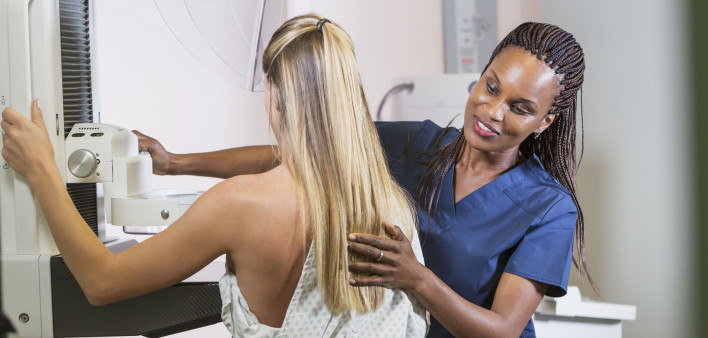
Annual mammograms are recommended for those age 40 or older, but those at higher risk should start getting them earlier and more frequently. You can also do breast self-exams, but these do not replace screening mammograms.
There are many genetic mutations that can drive breast cancers beyond BRCA 1 and BRCA2. Fred Hutch offers genetic testing for these mutations as well as counseling at the Genetic Counseling Clinic, which provides education and emotional support. By providing clear and useful information about genetic risk factors, Fred Hutch’s clinic can help you make the right decisions regarding your personal risk and ways to reduce it. If you have a family history of breast cancer, you can make a genetic counseling appointment by calling 206.606.6990.
How do you make an appointment?
If you are at higher risk of developing breast cancer or suspect you may fall into this category, call the Fred Hutch Breast and Ovarian Cancer Prevention Clinic at 206.606.6100 to discuss individualized plans for early detection, prevention and more.
To schedule a routine screening mammogram, call 206.606.7800.
If you’ve been diagnosed with breast cancer:
Fred Hutch’s researchers and oncologists provide leading-edge treatments for breast cancer, with many state-of-the art treatment options including proton therapy. Learn about your options or about protons for breast cancer.
High-Risk Cancer Surveillance
If you know you are at high risk of developing any type of cancer, you can be referred to the Fred Hutch High-Risk Surveillance Clinic. Once accepted into the clinic, we’ll help manage your risk, recommend screenings and surveillance, conduct follow-up care, and assist with preventive measures such as therapy, lifestyle changes or even surgery. Call the clinic directly at 206.606.6100 or have your physician — whether oncologist or primary care – refer you. Learn what to expect.
This article was originally published January 30, 2026, by Fred Hutch News Service. It is republished with permission.


Comments
Comments