


Fatigue is a common side effect of radiation therapy because the body is using energy to help repair damaged cells and tissue. When the body is using more energy, it can make people feel physically, mentally and emotionally tired.
Cancer patients often start feeling fatigued after a couple of weeks of radiation therapy; it can worsen while in treatment and continue during recovery.
How can fatigue affect me during treatment?
Treatment-related fatigue can be more than just feeling tired. It can show up as persistent exhaustion no matter how much or how little activity you do in a day. It might interfere with your ability to perform normal daily functions, like preparing meals, grocery shopping, enjoying hobbies and even eating.
What can I do to reduce fatigue?
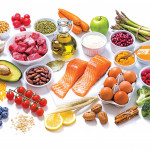
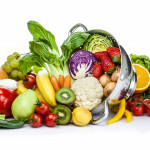
Good nutrition can help reduce fatigue. There isn’t one food that reduces fatigue but focusing on a diet rich in nutrient-dense foods will provide protein, energy, vitamins and minerals to support healing and recovery. Cancer and its treatments can make it difficult to eat due to side effects like nausea, bowel changes, taste changes and mouth sores. Here are some tips that may help you maintain good nutrition with treatment-related fatigue:
- Rely on convenience foods like ready-to-eat meals, frozen vegetables, pre-cut produce and canned goods such as beans or tuna.
- Keep handy nutritious grab-and-go snacks such as nuts, nut butters, cheese sticks, yogurt, dried fruits, boiled eggs and pre-made protein shakes.
- When you’re feeling your best, consider cooking extra to save or freeze for future meals.
During treatment, your dietitian can help you choose foods that work for your individual needs. These needs might depend on your side effects, nutritional requirements, resources and preferences.
In addition, our instinct is often to rest and not exercise when we feel fatigued in order to conserve energy.
But studies show that regular physical activity can help minimize fatigue and help us recover faster. The American Institute of Cancer Research (AICR) suggests that “exercise, when carefully monitored, can improve sleep, reduce fatigue and improve the quality of life of cancer patients. It’s important to speak to an exercise specialist or a member of your health care team, who can help you adapt an appropriate exercise program for you.”
Remember to incorporate exercise back into your life slowly and with the consent of your provider.
There are many other factors that can contribute to fatigue beyond nutrition and physical activity, so be sure to always discuss your symptoms with your care team so they can address them.
Here are a few easy-to-prepare meal and snack ideas from Fred Hutch’s Cook For Your Life:
- Lemony white bean hummus
- Egg salad with basil and capers
- Tuna and white bean salad
- Peanut butter and banana smoothie
This article was originally published July 16, 2025, by Fred Hutch News Service. It is republished with permission.


Comments
Comments