

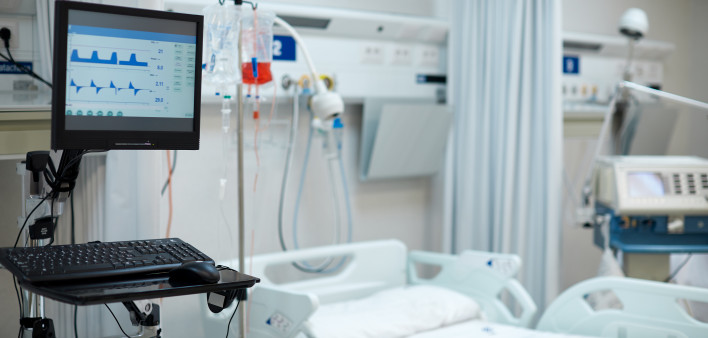
In April 2024, the Environmental Protection Agency (EPA) restricted the use of ethylene oxide (EtO), a chemical used to sterilize medical equipment, citing its higher-than-expected cancer risk as a major health concern. Last week, under the Trump administration, the EPA proposed a rollback of its 2024 restrictions regarding use of EtO to clean medical devices, such as ventilators, surgical kits and syringes.
“EPA is concerned that the current Biden-era EtO emission standards actively threaten facilities’ ability to sterilize equipment and jeopardize one of America’s only options for a secure domestic supply chain of essential medical equipment,” read the EPA news release.
According to the EPA, EtO is a gas used to manufacture chemicals like anti-freeze as well as plastics; to fumigate spices and dried herbs; and to sterilize medical equipment. Chronic exposure to low levels of EtO can cause eye, skin and respiratory irritation and nervous system effects, like headache, nausea, memory loss and numbness, and increase the risk of certain lymphoid (non-Hodgkin lymphoma, lymphocytic leukemia and myeloma) and breast cancers.
To learn more about these cancers, read Cancer Health’s basics on lymphoma and breast cancer.
Typically, people are exposed to EtO while working with the chemical in an unvented processing plant or while sterilizing medical equipment. However, according to a 2023 Union of Concerned Scientists (UCS) analysis, more than 14 million people live within five miles of commercial sterilizers that emit EtO, and 48% of them are people of color, 32% have low income and nearly 8% do not speak English as their first language. About 28% of the EtO-emitting facilities were located in “hot spots,” defined as an area with two or more sterilizers located within 10 miles of one another.
Environmental justice groups and cancer organizations alike are decrying the EPA’s regulation rollbacks.
“We understand that industry applied heavy pressure to weaken the previously finalized rule. We also understand that industry remains more concerned with their profits than the lives of those who live near sterilizer facilities, like my community in Laredo [in Texas],” said Tricia Cortez, executive director of Rio Grande International Study Center, in an Earthjustice press release. “Sterilizer facilities, like Midwest, must be held accountable for their dangerous, cancer-causing emissions. We need an EPA that works to protect us, the people, not financial interests and corporations that continue to cause so much harm to so many.” (Missouri-based Midwest Sterilization Corporation is one of the largest privately owned contract sterilizer companies in the United States.)
“The science shows that both short-term and long-term exposure to ethylene oxide is dangerous for health,” Laura Kate Bender, vice president of the American Lung Association, told the Associated Press. “People who live near many commercial sterilization facilities are much more likely to develop cancer over their lifetimes. No one should have to live with elevated cancer risk because of air pollution in their community.”
To learn more about ethylene oxide and air pollutant hot spots, read “Revising OSHA’s Ethylene Oxide Regulations Is Key to Protecting America’s Workforce” and “Did You Live Near a Cancer Hot Spot? A New Tox Map Lets You Know.”



Comments
Comments