

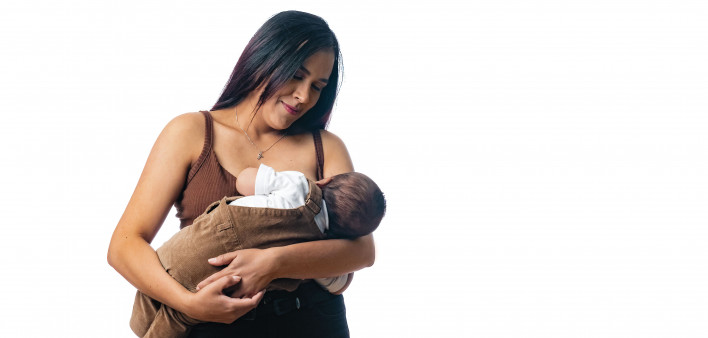
Researchers from the University of California Riverside adapted a childhood obesity prevention program to better serve Latina mothers, caregivers and low-income families, according to UC Riverside News.
Originally known as Healthy Beginnings, the program was first developed in Australia to address infant feeding practices among low-income mothers. A new study published in the Journal of Nutrition Education and Behavior reshaped program to meet the unique needs of Latino mothers, children and their caregivers.
The study highlights the importance of culturally and linguistically relevant early childhood obesity prevention strategies that begin in infancy for immigrant communities.
For the study, researchers conducted interviews and surveys with mothers and other caregivers of infants ages 4 to 6 months and members of an intervention design and development group.
Lead study author Ann Cheney, PhD, an associate professor of social medicine, population and public health at the UC Riverside School of Medicine, and colleagues incorporated feedback to identify key cultural meanings and family dynamics in order to develop the intervention’s delivery methods.
In response to feedback, researchers incorporated cultural values around infant feeding, maternal mental health and feeding practices. Additionally, they adjusted intervention delivery methods and included more frequent sessions, reduced the time of each session and involved community health workers to help facilitate delivery.
“We knew [that] for this intervention to be effective it had to align with the cultural values and lived experiences of the families it aimed to serve,” Cheney said. “Latina mothers and other senior women, like grandmothers, are central to the health and well-being of their families. We therefore needed to ensure that the intervention’s design reflected their beliefs, practices and the social and emotional context of their lives. Our study shows that culturally sensitive approaches are crucial for fostering trust, engagement and sustainable health behaviors.”
The study emphasizes the importance of including non-maternal caregivers in adapting the original obesity prevention intervention.
“These caregivers, who play a pivotal role in the daily lives of children, helped shape a program that resonates with the community, ensuring that the intervention is not only effective but also culturally and linguistically appropriate,” Cheney said. “When we involve families, especially non-maternal caregivers, in the adaptation of programs, we create interventions that have a greater chance of success and sustainability,” Cheney said.
To read more, click #Childhood Obesity. There, you’ll see headlines such as "NIH Launches Large Study to Tackle Type 2 Diabetes in Young People,“ ”Program Promotes Healthy Lifestyle Changes for Latino Children“ and ”Obesity on the Rise Among NYC Latino Students."




Comments
Comments