

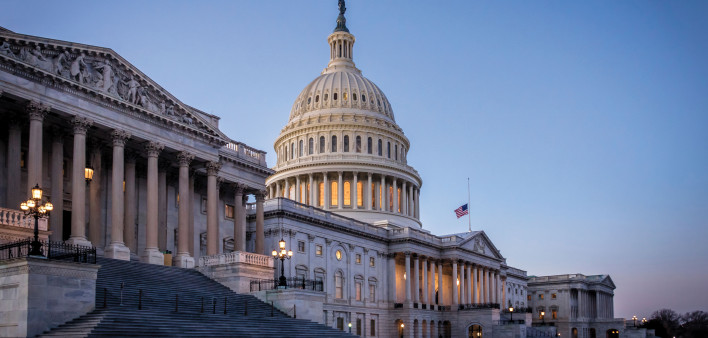
NMAC’s 2025 United States Conference on HIV/AIDS (USCHA) will highlight aging with HIV. The annual event will take place in Washington, DC, from September 4 through 7.
The theme, “Aging and HIV,” aims to honor people growing older with HIV, examine their challenges and learn from their lived experiences. The program will focus on the different groups living with HIV, including the pre–protease inhibitor generation, post–protease inhibitor survivors and “dandelions” (those born with HIV). When protease inhibitors as a class became available in the mid-‘90s, they revolutionized treatment. HIV was no longer a death sentence. For those with access to medication, HIV became a manageable, albeit chronic, condition.
USCHA attendees will be able to explore any of 10 tracks aligned with the theme: advancing research and treatment for older adults; aging with HIV political determinants of health; behavioral health and aging with HIV; biomedical HIV prevention; community building; comorbidities and multiple chronic conditions of those aging with HIV; dandelions, aka lifetime survivors; the science of sexuality and pleasure; systems change and workforce development; and women aging with HIV.
Below, NMAC staffers explain why it’s time to center people aging with HIV.
Moisés Agosto
Director, Treatment Division
Why is it important to spotlight this community at this moment in time? Because people 50 and older represent 50% of those living with HIV in the United States, and studies project that by 2030, in the next five years, we will represent 70%.
The silver tsunami is approaching. Are we ready to respond to the needs of older adults living with HIV? In our lived experience, we face early aging and multiple comorbidities on top of HIV. The challenge facing older adults with HIV is monitoring and managing the increasing layers of health and daily living complications, for which we lack a comprehensive community response, funding and health systems.
These challenges translate into life adjustments that impact our resilience and how we thrive. I know this in my bones as a person living with HIV for 38 years. I know the meaning of AIDS in my body. I faced a death sentence and came back to health. I am fortunate to become a 60-year-old man and continue to have the opportunity to lead NMAC’s program on aging, HIV 50+ Strong & Healthy.
Personal and community resilience continue to be my most important medicine. Community is everything to me, and USCHA 2025 will be the space for me to connect with, learn from the wisdom of and honor the elders of our movement. USCHA 2025 is the opportunity to shape the future after ending the epidemic and how to get there.
Audrianna Marzette
Associate Manager, Treatment Division
Growing up in Selma, Alabama, I saw firsthand how silence shaped the experience of HIV. My uncle lived with HIV in an era and environment where stigma was overwhelming and community support was almost nonexistent. He carried the burden of his diagnosis alone, never knowing that spaces like USCHA existed—spaces where he could have found affirmation, support and a sense of purpose. I often wonder how different his life would have been if he had had access to the kind of community-driven spaces we are working to strengthen today.
As a new team member at NMAC working with the HIV 50+ Strong & Healthy Program, I see echoes of that history repeating in far too many lives. But I also see an opportunity—to redefine aging with HIV. The theme of USCHA 2025 gives me hope. It centers long-term survivors, fosters meaningful peer support networks and tackles stigma through storytelling, policy advocacy and community building.
This work fuels my passion because I believe aging with HIV should not mean aging in isolation. Everyone deserves dignity, respect and access to quality care. USCHA plays a critical role in reducing isolation, improving awareness and ensuring that people living with HIV are not merely surviving but also thriving together.
At NMAC, I directly engage with the National HIV Aging & Advocacy Network (NHAAN), a collective of individuals committed to ensuring that people aging with HIV can do so with dignity—physically, emotionally, socially, financially and spiritually. As part of NMAC’s 50+ Strong & Healthy Program, NHAAN works to advance policies, programs and services tailored to the unique needs of older adults living with HIV and AIDS.
What sets NHAAN apart is its unwavering focus on centering the voices of those it serves. Membership is open to individuals aging with HIV who want to drive change at the federal level and within their local communities. Through monthly support groups and dedicated spaces for women of color, LGBTQIA+ individuals and heterosexual men living with HIV, NHAAN fosters inclusive environments where people can share, connect and heal.
For me, being part of NHAAN is not just about advocacy—it’s about shaping a future where no one is forgotten. It’s about ensuring that long-term survivors of HIV have access to trauma-informed care, financial security and the respect they deserve.
More than just a network, NHAAN is a community, a movement and a family. I am honored to be part of this work and to contribute to a future where aging with HIV is met with strength, support and unwavering dignity.
Joey Pons
Executive Member, NHAAN
For me, attending USCHA 2025 is not just a professional commitment—it’s deeply personal. I have been living with HIV since 1987. In the early days of the epidemic, survival felt uncertain, and long-term possibilities seemed distant. Yet here I am, decades later, embracing the complexity of aging with HIV. The theme of this year’s conference recognizes that people like me—who were never expected to live this long—are now shaping what it means to age with resilience, dignity and purpose.
This journey has been about more than survival. It has been about advocacy, about ensuring that those aging with HIV are not overlooked and about building systems that meet the unique needs of long-term survivors. From the early activism of ACT UP in New York to my current leadership roles—including my work as an executive member of NHAAN and cochair of its Training of Trainers Committee—I have spent my life amplifying the voices of those aging with HIV.
That’s why NMAC’s work matters so much. Through initiatives like NHAAN, we are not just addressing aging with HIV as a medical condition—we are tackling the social, economic and structural challenges that come with it. NHAAN strengthens policies, expands access to trauma-informed care and builds peer networks that ensure older adults living with HIV feel seen, heard and valued.
At USCHA, we are shifting the narrative. Aging with HIV is about more than medications and doctor visits—it is about fighting stigma; confronting racism, ageism, homophobia and transphobia; and advocating for financial security and equitable health care. What makes this conference truly powerful is its commitment to the meaningful involvement of people living with HIV. We are not just attendees; we are stakeholders in shaping the future.
Being here, surrounded by others who share this commitment, fills me with a renewed sense of purpose. I am proud to be part of this movement, to stand alongside leaders, peers and advocates who are reshaping what it means to thrive as we age. Together, we will ensure that long-term survivors of HIV are not just acknowledged but actively supported in every aspect of life.
Go to nmac.org to learn more about NMAC and attending USCHA 2025.




Comments
Comments